
CONFIDENTIAL DOSSIER KUKUANALAND BIO-ETHNOBOTANY INITIATIVE Filed Under: Project Mahala Veil
Report Title: The Mahala Plant — History, Properties, and Psycho-Reproductive Effects
1. Botanical Classification & Description
Common Name: Mahala
Scientific Classification:
- Kingdom: Plantae
- Order: Solanales
- Family: Solanaceae (Nightshade Family)
- Genus: Solanum mahalenzii (closely related to Solanum melongena, i.e. eggplant)
- Species: S. mahalenzii kukuanica
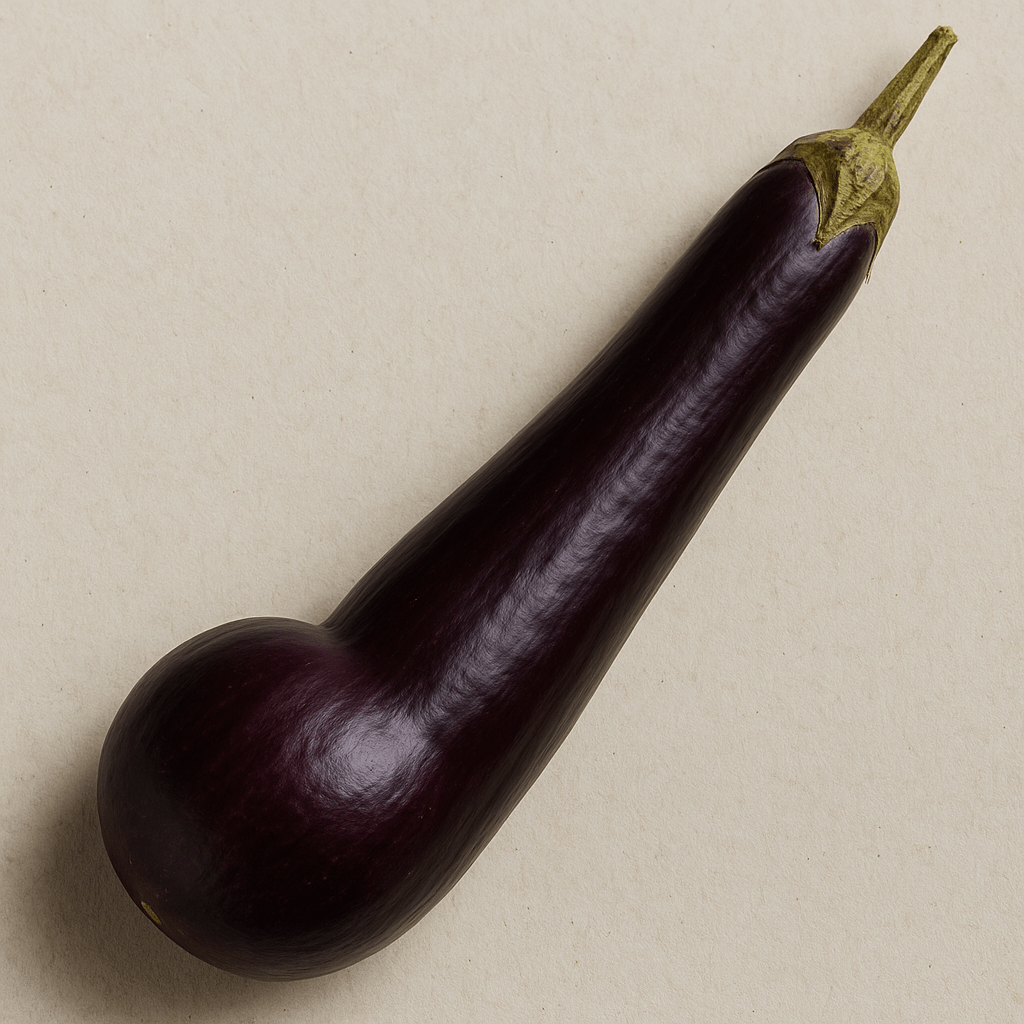
The Mahala plant is a tropical perennial fruit-bearing tree found exclusively in Kukuanaland’s dense jungles. It grows near geothermal springs and sacred groves, reaching heights of 10–14 feet. The tree has dark violet bark and faintly glowing, waxy leaves. The fruit resembles an elongated purple eggplant (10–13 inches long) with a grapefruit-sized seed bulb at the base, which stores its reproductive material.
2. Cultural History in Kukuanaland
Used for over 2,000 years by the Futanari and other tribes, the Mahala fruit is known as the “Gift of the Flame Goddess.” Legends claim it originated from the underworld and was given to humans by the immortal queen Ayesha. It plays a central role in seasonal mating festivals, consumed in wine or roasted, and applied topically during union rituals.
Tribal law dictates that harvesting is done by virgin priestesses during the full moon, reinforcing the plant’s sacred status. Mahala is also used during vision quests and fertility rites.
3. Possible Biblical Reference
Scholars speculate Mahala may be the true “forbidden fruit” of Genesis or the “mandrake of desire” in Genesis 30. Its fertility-enhancing and intoxicating properties align with ancient mystical plant descriptions.
4. Chemical & Nutritional Properties
Nutritional Profile:
- Calories per fruit: ~350 kcal
- Rich in potassium, iron, vitamin E, anthocyanins, and resveratrol
Bioactive Compounds:
- Mahalin-A: Induces dopamine/oxytocin release
- Zetagenin-B: Enhances testosterone and estrogen by gender
- PhytoPhermin: Mimics pheromones, affects social bonding
5. Physiological Effects
Short-Term:
- Heightened sexual desire
- Euphoric calm
- Reduced inhibition
- Emotional vulnerability
Long-Term:
- Women: Continuous ovulation, breast enlargement, slowed aging
- Men: Testosterone spike, virility increase, penile growth
- Both: Heightened pheromonal signals, regenerative properties
Mahala is non-addictive, but creates a neurochemical state of heightened suggestibility, particularly when consumed regularly or during sexual activity.
6. Psychological Influence
Prolonged Mahala exposure leads to:
- Enhanced neuroplasticity
- Deep emotional imprinting
- Ease of hypnotic suggestion
- Psychological loyalty reinforcement
This qualifies Mahala as a “soft influence weapon”—usable in psychological and behavioral control regimes.
7. Harvest & Export Logistics
- Harvested twice annually during lunar cycles
- Requires symbiotic fungal soil conditions
- Usually fermented into Mahala wine or extracted as syrup
- Global black-market value exceeds $20,000/liter
8. Culinary & Ritual Use
- Wine: Aphrodisiacal, euphoric, ritualistic sedative
- Roasted: Used in mating feasts
- Oil Infusions: Applied in tantric and tribal rites
CONCLUSION
Mahala is a biocultural cornerstone of Kukuanaland and a target of global interest for its unparalleled reproductive and neurological influence. Controlled usage may alter generational fertility and social cohesion. Unauthorized use should be monitored by specialized intelligence divisions.
Filed for Review by: Orchid Vigil Intelligence Command
Distribution: Eyes Only – RED PHOENIX
 Mahala Erotica
Leave a comment